This article was first published on CreativePool on 28 July 2026.
Founded in Leeds in 1977, Elmwood has grown from a local design consultancy into a global brand strategy and design business with studios across London, New York, Singapore and Shanghai. Now part of MSQ Partners, the agency continues to expand internationally while staying true to the principle that has shaped it from the beginning: clarity of intent leads to better creative work.
In this Creativepool Company Spotlight, Global CEO Daniel Binns shares how Elmwood has maintained creative consistency across international teams, why intent-led thinking sits at the heart of every project, and how the agency is embracing AI, innovation and sustainability while continuing to build brands with lasting impact.
How was your company born and where are you based?
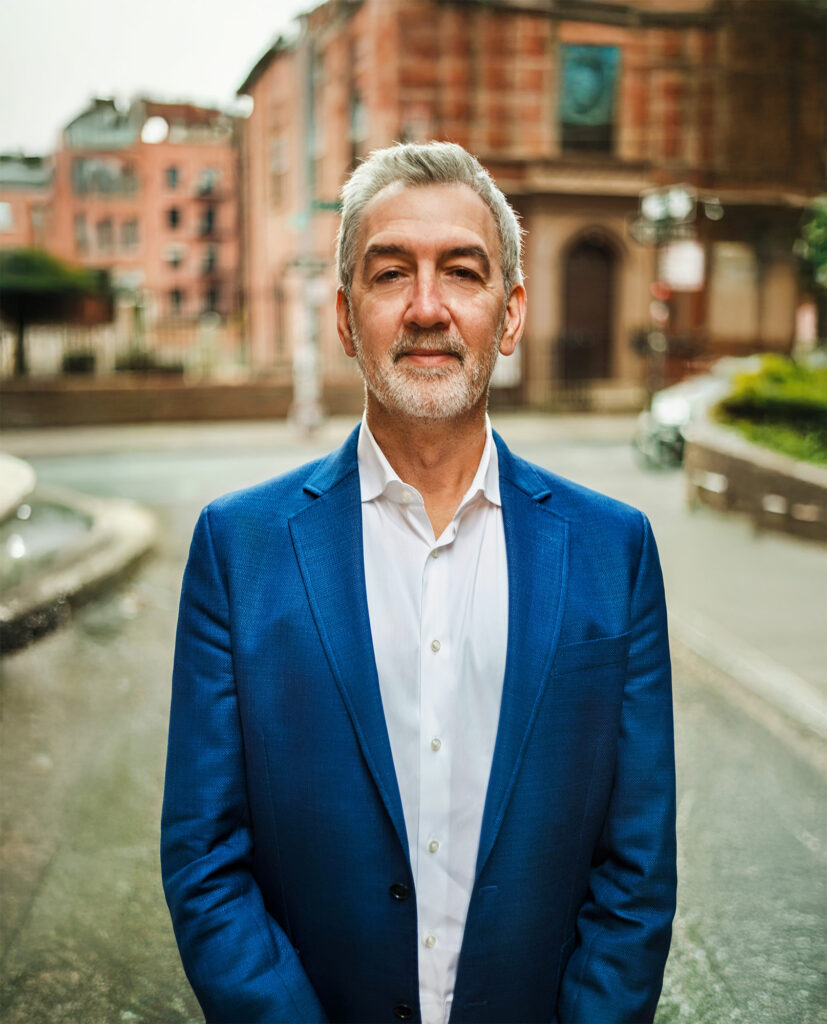
Elmwood was founded in Leeds in 1977 — a design consultancy built on the belief that clarity of intent produces better creative work. Nearly five decades on, that belief still drives everything we do.
Today we are a global brand strategy and design consultancy with studios in London, New York, Singapore and Shanghai, and around 200 people working across them. In 2021 we became part of MSQ Partners, a next-generation creative and tech collective, which accelerated our international capability and gave us access to a wider universe of expertise — while keeping Elmwood’s creative identity firmly intact.
What was the biggest challenge to the growth of your company?
Maintaining creative integrity at scale. It sounds simple. It isn’t.
When you operate across four studios in four very different cultural contexts, the risk is that your work becomes inconsistent — technically competent but lacking a coherent point of view. We’ve invested heavily in the frameworks, methodology and culture that keep our standards genuinely global rather than just geographically distributed. The Elmwood Way — our proprietrary approach to intent-led creative work — is the connective tissue that makes that possible. And it’s all underpinned by our AI technology platform, MSQ Assist.
Which was the first huge success that you can remember?
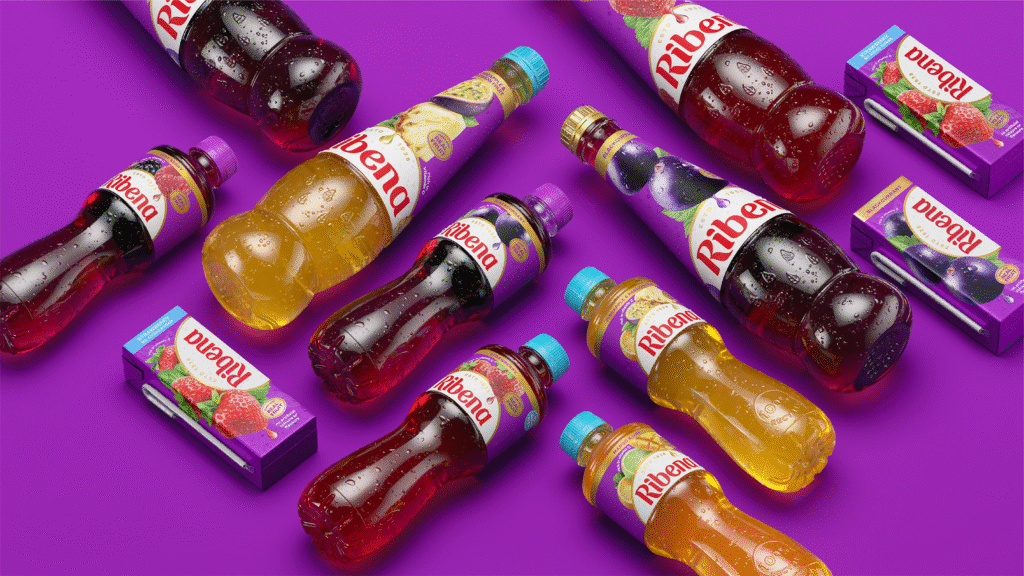
Winning the Walmart account and opening our New York studio off the back of it. That one piece of work triggered a step-change in how we thought about growth — not as a strategy to plant flags around the world, but as the natural consequence of doing work that matters to the right clients. It set a principle we still hold to: build from client relationships, not from ambition alone.
What’s the biggest opportunity for you and your company in the next year?
Clients are operating in a world where brand coherence across regions, categories and channels has never been harder — or more commercially important. Our four-studio network gives us genuine global reach with genuine local intelligence. That’s not a common combination.
The bigger opportunity though is positioning. We’ve become very deliberate about the kind of clients we want to work with: those ready to build brands with intent, who want to communicate telegraphically, lead clearly, and act boldly. There’s significant demand for that kind of partnership right now — and we’re set up to deliver it. We want to leverage our craft creative skills to deliver exceptional business building outcomes across consumer, corporate and healthcare clients and broaden into experience design, moving way beyond our legacy graphic design skills.
Can you explain your team’s creative process? What makes it unique?

Everything starts with intent. Before we talk about aesthetics, executions or deliverables, we establish what a brand is genuinely trying to achieve — and why. That intent informs the idea and is clearly linked to the impact the work needs to deliver. The idea is brought to life with true iconicity. Get those things right and the rest takes care of itself.
We call this the Elmwood Way. It’s not a linear process so much as a creative discipline — a way of ensuring that everything we make is grounded in something real, pointed at something meaningful, and built to last. In a market full of brands that look confident but say nothing, that discipline is increasingly rare.
How does your team remain inspired and motivated?
By looking up. The risk for any brand and design studio is that you spend all your time looking inward — at the category, at the brief, at the reference board. We push our people to go further out. Read widely. Look to the edges. Find the obscure sources, because that’s where the original ideas live. Consumers today don’t judge a brand on its direct competitors they hold it up against the best experiences they have had across their entire life!
How has COVID-19 affected your company?

Like everyone, we settled into a hybrid rhythm. What we’ve learned is that the question isn’t ‘office or home’ — it’s knowing when coming together matters. Collaboration, creative reviews, and onboarding new talent: in person. Focused individual work: wherever you do it best. The discipline is in knowing the difference.
Which agencies do you gain inspiration from? Do you have any heroes in the industry?
Collins consistently produce work that is both culturally intelligent and formally outstanding — rare to find both in equal measure. Beyond the industry, we look to architecture, fashion, film and music for the moves that eventually find their way into brand design. The best creative studios have always learned from everywhere.
What is one tip that you would give to other agencies looking to grow?

Build from clients, not from ambition. The temptation to expand — to open a new studio, enter a new market — is always ego-driven as much as strategy-driven. The businesses that grow with substance do it because a client relationship earned it. Win the work first. Let the work open the doors.
How do you go about finding new clients/business?
We’ve become much clearer about who we want to work with. Brands that are ready for a future built on intent. That communicate telegraphically — instantly, unmistakably themselves across every touchpoint. That see clearly enough to lead and act boldly enough to shape the future.
Finding those clients is a function of targeted thought leadership, the right marketing, and reputation built through effectiveness. We don’t pitch everything. We show up in the places where the right conversations are already happening. Our sales and marketing efforts are intrinsically linked and that’s critical.
What’s your one big hope for the future of the industry?
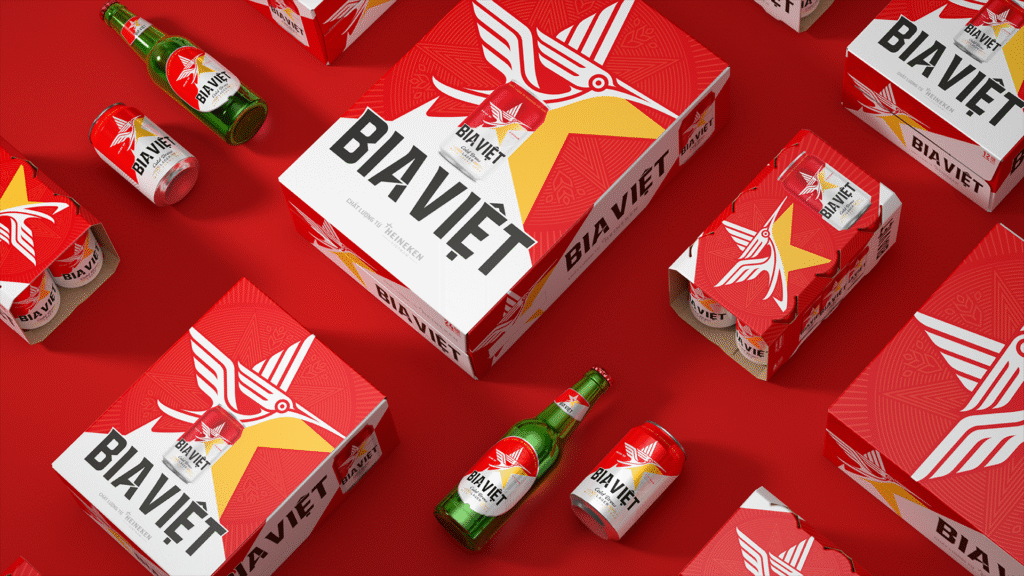
That we approach AI with the right mindset. I was in the industry when magic markers gave way to Macs — that felt seismic at the time. AI is bigger than that moment, and we’re only beginning to feel its impact.
My hope is that the industry resists the temptation to use it as a cost lever and instead treats it as a capability unlock — a way to redirect creative energy toward the things that machines genuinely can’t do. Originality. Judgment. Cultural intelligence. The studios that figure that out first will define what this industry looks like in ten years.
Can you share a defining moment in your company’s journey that shaped its identity or direction?
Joining MSQ Partners in 2021 was genuinely transformative — not just structurally, but in terms of ambition and self-perception. Becoming part of a wider creative network accelerated our growth and, more importantly, sharpened our sense of what Elmwood specifically is for within that network. You understand your own identity more clearly when you’re in conversation with others.
It also gave us the confidence to be more deliberate — to articulate what we stand for, who we want to work with, and what kind of creative culture we want to build. That clarity has been the real unlock.
I love that we integrate as as Group at a project level not at a client level. If we need support on a project for digital experiences, influencer marketing, deep research or content development I can call on my MSQ colleagues to support and that feels very refreshing after spending decades in the wall gardens of the holding company agencies.
How do you foster a culture of innovation and experimentation within your team?
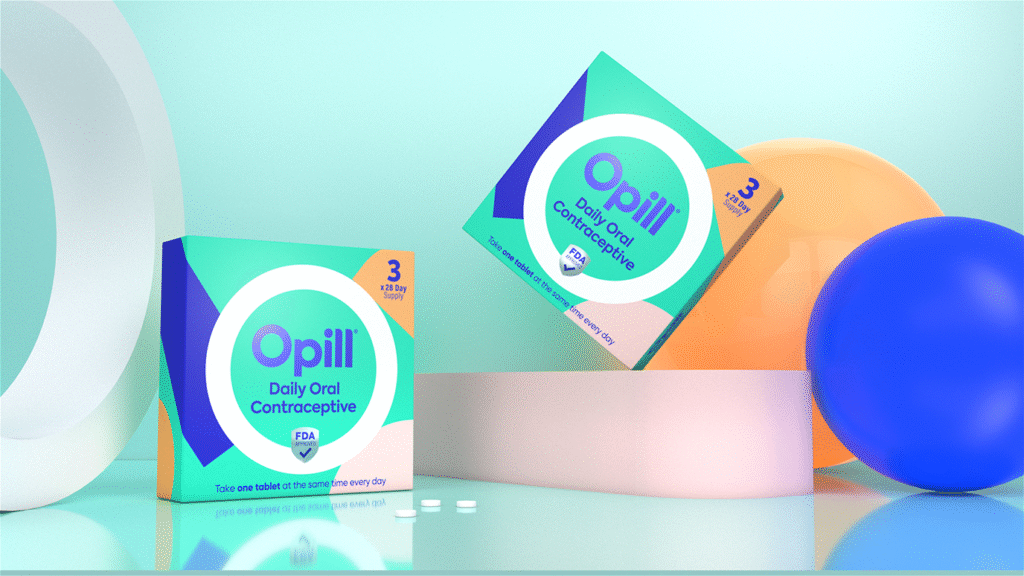
We operate with an always-on R&D mindset. That means giving people the permission and the space to try things that might not work — and treating the failures as data, not verdicts. Right now that’s showing up most clearly in how we’re building with AI: node-based generative tools, new approaches to brief-writing, visual exploration tools that would have taken weeks and now take hours. We’re embedding these into real client work so the experimentation is grounded, not theoretical.
What measures do you take to ensure diversity and inclusion are prioritised within your company?
Our DE&I committee was formed to embed diversity and inclusion into the culture of Elmwood — not as a compliance exercise but as a genuine commitment to the kind of studio we want to be. Work happens through workshops, initiatives, Lunch & Learns, and ongoing programming across two focus pillars: Active Allyship and Opening Opportunities.
It’s ongoing work. We don’t treat it as finished.
Can you describe a project that challenged your team creatively and how you overcame any obstacles?

The Coca-Cola Lunar New Year project is a good example. The brief demanded something that could work globally but feel specific — culturally resonant without being reductive. The challenge was finding an idea with enough symbolic depth to carry across markets while remaining genuinely iconic at pack level. We went back to first principles: what does this moment mean, not just what does it look like? That intent-first approach unlocked the creative direction and produced work that’s since become part of Coca-Cola’s cultural calendar.
How do you balance maintaining your company’s unique creative voice while meeting the diverse needs of clients?
The Elmwood Way is what makes this possible. When your process is intent-led, the creative voice isn’t imposed on the client — it emerges from a genuine understanding of what they need to achieve. That’s a fundamentally different dynamic to an agency that has a signature aesthetic they apply regardless of context.
Our creative standards are consistent. Our executions are not. That distinction matters.
What strategies do you employ to adapt to changes and trends in the industry while staying true to your company’s values?
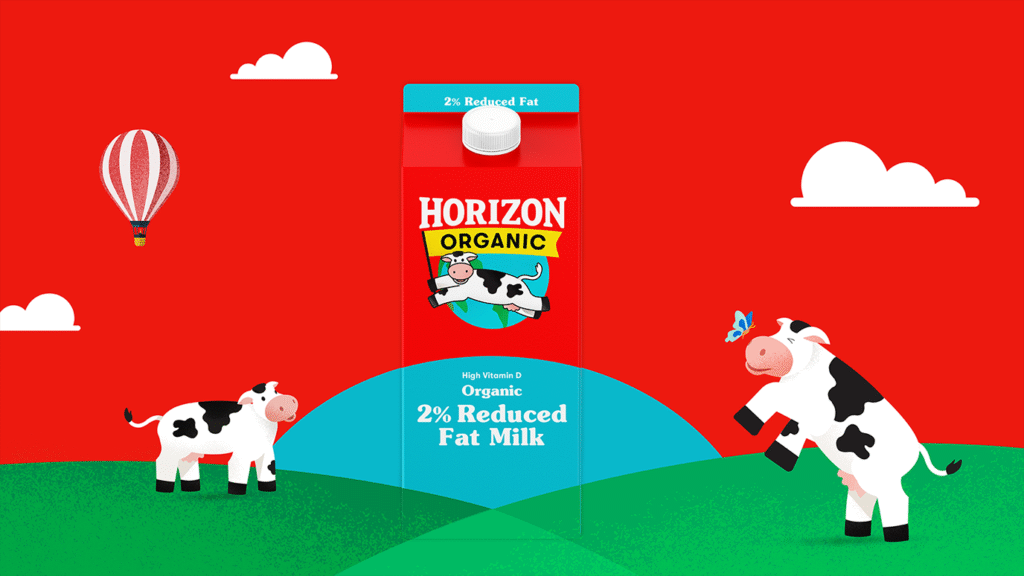
Always look to the edges — that’s where the next thing is already happening. The brands that drive culture stay one step ahead of it. So do the studios behind them. Trend-following is a race to the middle. We’d rather be the ones who saw it coming.
At the same time, our values don’t move. Intent-led thinking. Iconic ideas. Work that is effective, not just distinctive. Those are fixed points regardless of what the industry does around us.
In what ways do you invest in the professional development and growth of your team members?
We know we can only achieve our ambitions when our people achieve theirs. That’s not a platitude — it’s the operating principle behind how we design the Elmwood employee experience. We invest in skill-building, mentorship, exposure to new disciplines, and the kind of R&D culture that lets people grow through doing, not just training. We want people to leave each project more capable than when they started.
How do you approach sustainability and ethical practices within your company’s operations and projects?

Elmwood is a certified B Corp — a rigorous process that covers almost all 17 UN Sustainable Development Goals. Through our MSQ partnership we have a dedicated Chief Sustainability Officer and specialist climate agency, MSQ/Sustain. We have Science-Based Targets in place and fund sustainability schemes through our partnership with Ecologi, supporting climate projects globally and powering our Staff Carbon Offsetting programme. We’ve also committed to cutting emissions by 50% per head and to planting one million trees over the next decade through the Million Tree Pledge.
Do you have any websites, books or resources that you would recommend?
Anything by John Hegarty — Hegarty on Advertising remains essential. The Brand Gap by Marty Neumeier for the clearest articulation of what brand actually is. And outside the industry: read broadly. Architecture, anthropology, fashion theory. The less directly relevant it seems, the more useful it probably is.